
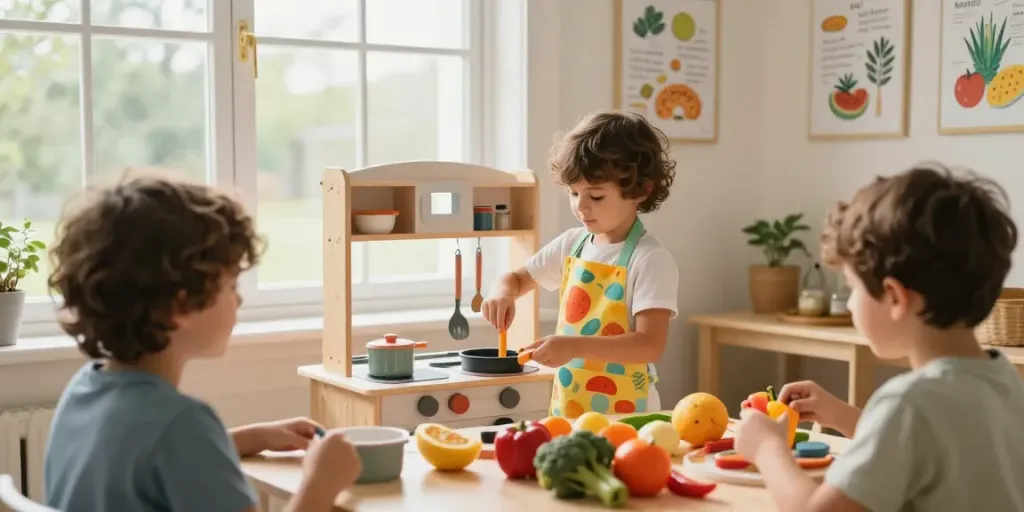
Introduction to Toy Kitchens and Their Benefits
In a world where childhood development is increasingly prioritised, toy kitchen have emerged as a staple in playrooms across the globe. These miniature culinary setups do more than just provide entertainment; they serve as powerful tools for learning, creativity, and social interaction. From mastering the art of pretend play to developing essential life skills, toy kitchens offer children a unique platform to explore the world around them. This article delves into the various benefits of toy kitchens, the types available, and how to select the perfect one for your little chef.
Why Choose a Toy Kitchen for Play?
Toy kitchens are more than mere toys; they are an investment in a child's developmental journey. By mimicking real-life kitchen experiences, children can engage in role-playing that nurtures their imagination. The sensory-rich environment of a play kitchen encourages exploration, as children experiment with different ingredients and cooking methods in a safe setting. This choice not only entertains but also cultivates important skills such as problem-solving, teamwork, and communication.
Developmental Benefits of Pretend Play
Pretend play is essential for cognitive development. When children imitate adult behaviours, they not only learn about everyday tasks but also enhance their critical thinking skills. Toy kitchens offer an ideal scenario for this type of play, where kids can assume various roles—be it chef, waiter, or customer. This role playing fosters independence and self-confidence as children navigate through different situations, learning to make decisions and solve problems on their own.
How Toy Kitchens Foster Imagination
Imagination is a child's greatest asset, and toy kitchens serve as a catalyst for imaginative play. With an array of accessories—such as pots, pans, and play food—children can create elaborate scenarios, from bustling restaurants to quiet family dinners. This type of play allows them to express their creativity freely, encouraging storytelling and narrative creation. The possibilities are endless, making every play session unique and engaging.
Types of Toy Kitchens Available
Wooden vs. Plastic Toy Kitchens: Which is Best?
When it comes to choosing a toy kitchen, one of the primary considerations is the material. Wooden kitchens are often praised for their durability and aesthetic appeal. They provide a more realistic look and feel, can withstand the wear and tear of daily play, and are often made from sustainable materials. Conversely, plastic kitchens tend to be lighter, easier to clean, and often more affordable. The choice between wooden and plastic ultimately depends on the child's age, play style, and the parent's budget.
Compact vs. Full-Size Options: Making the Right Choice
Selecting the right size of toy kitchen is crucial, especially when considering the available space in your home. Compact kitchens are ideal for smaller living spaces and can easily be tucked away when not in use. Full-size kitchens, on the other hand, are more imposing but offer extensive features that enhance play. Choosing the right option should take into account the space available and the level of engagement you want your child to experience.
Accessorising Your Toy Kitchen for Enhanced Play
Accessorising your toy kitchen can significantly enhance the play experience. Consider adding realistic play food, utensils, and kitchen gadgets to stimulate creative cooking scenarios. Many brands offer accessories that are compatible with their kitchens, ensuring that everything works harmoniously. Engaging your child in choosing accessories can further build excitement and ownership over their play space.
Selecting the Right Toy Kitchen for Your Child
Age-Appropriate Kitchen Sets: What to Look For
Age appropriateness is paramount when selecting a toy kitchen. For toddlers, look for sets with larger pieces that minimise choking hazards, while older children may enjoy more complex kitchens with added features like interactive lights and sounds. Always check manufacturer recommendations to ensure safety and suitability.
Considering Space in Your Home
Before purchasing a toy kitchen, assess where it will be placed. Measure the available space and consider how the kitchen will fit alongside other furniture and play areas. A well-placed kitchen will encourage your child to use it without feeling cluttered or cramped.
Safety Features to Ensure Enjoyable Play
Safety is a crucial consideration in any toy purchase. Look for kitchens that comply with safety standards, featuring smooth edges, non-toxic materials, and secure assembly. Additionally, ensure that any accessories are age-appropriate and free from small parts that could pose a choking hazard.
Creative Play Ideas with Toy Kitchens
Encouraging Role Play Scenarios to Enhance Learning
Encouraging children to engage in role play with their toy kitchens can provide invaluable learning opportunities. Set up themed days where children can 'host' dinner parties or operate a restaurant. This not only boosts their imagination but also teaches them about social interactions and cultural diversity through cooking and serving different cuisines.
Utilising Kitchen Sets to Teach Responsibility
Toy kitchens are a perfect way to instill a sense of responsibility in children. Encourage them to clean up after their play sessions, promoting tidiness and respect for their belongings. You can also organise play sessions that involve meal preparation, helping them learn about the importance of maintaining a clean work environment.
Incorporating Educational Elements into Play
Use play kitchens as educational tools to teach children about nutrition, cooking techniques, and even simple math through measuring ingredients. Integrating these lessons into playtime creates a fun learning environment that reinforces knowledge while keeping children engaged.
Future Trends in Toy Kitchen Design and Play
Emerging Sustainable Materials in Toy Production
As environmental consciousness grows, many toy manufacturers are shifting towards sustainable materials in their products. Expect to see more kitchens made from recycled plastics and sustainably sourced wood, offering eco-friendly play options without compromising on quality or safety.
Technology Integration: Smart Toy Kitchens
With the rise of technology, toy kitchens are evolving to include interactive features such as voice recognition and app connectivity. These smart kitchens can teach children cooking techniques through guided experiences, blending play with educational content that aligns with modern learning methodologies.
Anticipating Parental Preferences in 2026 and Beyond
As we look toward the future, parents will increasingly favour toys that promote multi-functional play. Toy kitchens that can evolve—from simple wooden structures to interactive cooking stations—will likely dominate the market. Additionally, the focus on educational play will lead to more innovative products that blend fun with learning goals.
What Are the Benefits of Pretend Play Kitchens?
Pretend play kitchens foster creativity, enhance social skills, and provide a safe environment for exploring complex emotions. The benefits extend beyond mere enjoyment; they prepare children for real-life scenarios in a fun and engaging way.
How Do Toy Kitchens Enhance Creativity?
Toy kitchens allow children to express their creativity freely. By inventing their own recipes and culinary stories, they engage their imaginations, learning to think outside the box while developing problem-solving skills.
What Safety Features Should I Look for in a Toy Kitchen?
When shopping for a toy kitchen, ensure it has rounded edges, is made from non-toxic materials, and is designed to prevent tipping over. Look for items with sturdy construction and avoid kitchens with small removable parts for younger children.
Can Toy Kitchens Encourage Social Skills?
Absolutely! Through cooperative play, children learn to communicate, negotiate, and work as a team. This type of interaction is essential for developing social skills that will serve them well throughout their lives.
What Is the Best Age to Start Using a Toy Kitchen?
The best age to introduce a toy kitchen can vary, but typically, children aged 2 to 3 can start enjoying simple kitchen sets. Ensure that the kitchen is age-appropriate and consider their developmental milestones to maximise their engagement and learning.