
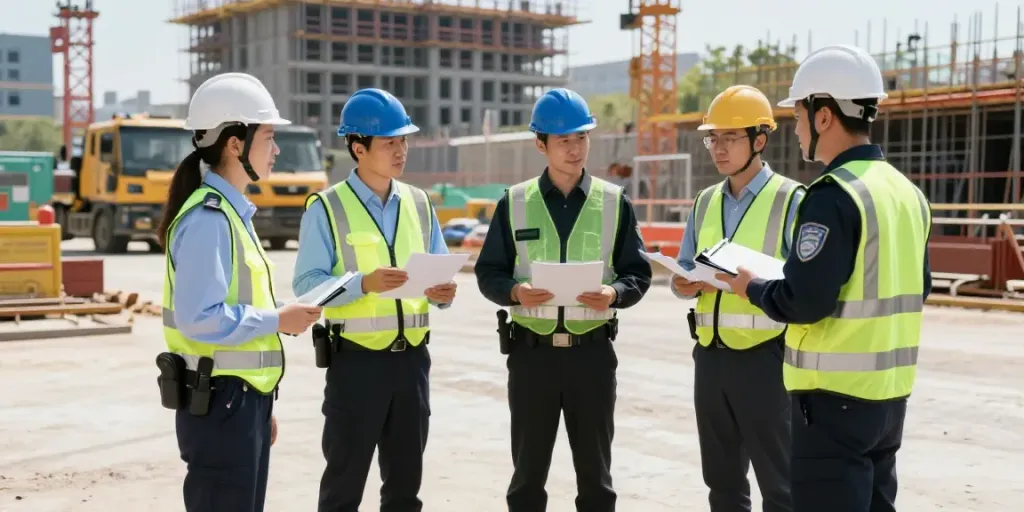
Understanding Construction Site Security Needs
Construction sites are often seen as bustling hubs of activity where new structures take shape; however, they also present a myriad of security challenges. Ensuring proper security measures are in place is essential to safeguard assets, maintain safety, and enhance operational efficiency. Engaging a reliable security provider can make all the difference in mitigating risks and protecting valuable resources. When exploring options, Construction Site Security providers can offer comprehensive insights tailored to meet specific needs.
Why Security is Vital for Construction Sites
The importance of security on construction sites cannot be overstated. With high-value equipment, building materials, and numerous personnel on-site, construction projects can attract theft, vandalism, and unauthorized access. Effective security not only protects against potential losses but also helps ensure compliance with safety regulations, mitigating risks of accidents and liability.
Moreover, a visible security presence acts as a deterrent to criminal activity, instilling confidence in workers and stakeholders alike. For these reasons, security should be a paramount concern for any construction project, regardless of its size or complexity.
Common Threats and Vulnerabilities
- Theft: Construction sites often house expensive machinery and tools, making them prime targets for thieves.
- Vandalism: Defacing property not only incurs costs for repairs but can also delay project timelines.
- Unauthorized Access: Uncontrolled entry points can lead to accidents or injuries, compromising the safety of workers and visitors.
- Contractor Fraud: Disreputable contractors can exploit security weaknesses, leading to financial losses.
The Role of Professional Security Services
Engaging professional security services provides peace of mind and established procedures designed to address the unique challenges of construction sites. Security companies offer a variety of services, including:
- On-site Security Guards: Trained personnel can monitor activities, conduct regular patrols, and manage access control to ensure all entry points are secure.
- Surveillance Systems: Advanced monitoring through CCTV can deter criminal activity and provide visual evidence in case incidents occur.
- Access Control Solutions: Implementing secure entry points with ID checks and access systems reduces the risk of unauthorized personnel on site.
- Risk Assessment Services: Professional security experts can evaluate specific site vulnerabilities and propose tailored solutions.
Choosing the Right Construction Site Security Provider
Selecting a qualified security provider requires careful consideration of multiple factors to ensure the best protection for your construction site. It is essential to perform thorough research and due diligence to avoid potential pitfalls associated with unreliable services.
Key Factors to Consider
- Experience: Look for security firms with a proven track record in construction site security, as they will understand the unique challenges and requirements.
- Accreditations: Confirm that the security provider is properly licensed and accredited by organizations such as the Security Industry Authority (SIA) to ensure professionalism and compliance.
- References: Seek testimonials or references from previous clients to assess the reliability and quality of service offered.
- Service Range: Evaluate the services offered to ensure they align with your specific security needs, such as manned guarding, surveillance, or emergency response.
Accreditations and Licensing Requirements
To ensure that a security provider is credible and complies with industry regulations, it is crucial to verify their accreditations. In the UK, this includes being registered with the SIA, which enforces licensing standards for individuals working in the security industry. Additionally, reputable security companies often strive for certifications such as NSI Guarding Gold, which reflect a commitment to high standards of operational excellence.
Questions to Ask Potential Providers
When assessing potential security providers, asking the right questions can help clarify their capabilities and reliability. Consider inquiring about the following:
- What specific training do your security personnel receive?
- How do you handle incidents that occur on site?
- Can you provide examples of past experiences relevant to construction site security?
- What are your policies regarding communication and reporting to clients?
- How do you evaluate the effectiveness of your security measures?
Breaking Down the Costs: What to Expect with Construction Site Security
Understanding the financial implications of hiring a construction site security provider is essential for budgeting purposes. Costs can vary considerably based on the scope of services, the size of the project, and the specific security challenges present.
Average Pricing Trends in 2026
In 2026, the average costs for security services can range significantly. For basic site security with unarmed guards, rates typically fall between £12 and £20 per hour. More specialized services, such as armed security or extensive surveillance systems, may demand higher rates. These pricing dynamics underscore the importance of evaluating your specific security requirements and weighing them against potential risks to find the most cost-effective solutions.
Cost-Benefit Analysis of Hiring Professionals
Investing in professional security services can lead to substantial savings in the long run. While hiring security may seem like an added expense, the costs associated with theft, delays, and liability claims could significantly outweigh the costs of maintaining a robust security presence. Moreover, the reassurance derived from professional security can enhance overall operational productivity and morale among workers.
Factors Influencing Security Costs
- Location: Security costs can vary depending on the geographic area and associated risks.
- Service Scope: The inclusion of technology such as security cameras, alarms, and remote monitoring will raise overall costs.
- Time Frame: Longer project durations may require flexible pricing arrangements or contracts.
- Seasonal Considerations: Certain times of the year may see increased theft or vandalism, necessitating heightened security.
Maximizing Security Effectiveness on Construction Sites
Beyond hiring security providers, there are numerous best practices construction site managers can implement to enhance overall security effectiveness. These practices ensure a collaborative approach to safeguarding the site, involving both personnel and technology.
Best Practices for Site Security
- Implement a Security Plan: Create a comprehensive security plan tailored to address site-specific risks and ensure all personnel are trained on best practices.
- Establish Clear Access Controls: Monitor and restrict access to authorized personnel only, incorporating sign-in sheets or electronic access systems.
- Maintain a Safe Environment: Regular housekeeping and removal of debris can prevent accidents and reduce hazards that might lead to claims.
- Regular Training: Ongoing training sessions for construction staff on safety protocols can help raise awareness about security measures.
Technology's Role in Enhancing Security
Advancements in technology have significantly improved construction site security. The integration of CCTV systems, drones for aerial surveillance, and mobile applications for real-time communications can bolster security efforts:
- CCTV Cameras: High-resolution cameras provide real-time monitoring capabilities and can deter unauthorized access.
- Alarm Systems: Installing alarms and motion detectors can alert personnel immediately in case of breaches.
- Mobile Apps: Security apps enable instant reporting of security issues and incidents, facilitating quicker responses.
Regular Assessments and Adjustments
Security is not a one-time setup; it requires ongoing evaluation and adaptation to respond effectively to emerging threats. Conducting regular security assessments of construction sites can help identify areas for improvement and ensure that security measures are up to date with current trends and regulations.
Client Experiences and Success Stories
Documented success stories and client experiences can offer valuable insights into the effectiveness of security measures. These examples can demonstrate how proper security planning and execution lead to positive outcomes.
Case Studies of Efficient Security Implementation
For instance, a recent construction project in London successfully implemented a comprehensive security strategy involving both manned guards and advanced surveillance technology. Despite initial concerns about theft, the proactive security presence resulted in a near-zero theft rate and kept the project on schedule.
Positive Impacts on Project Completion
Well-implemented security not only protects assets but also contributes to timely project completion by ensuring a safe working environment free of disruptions. As illustrated by various projects, clients who prioritize security often report fewer delays and claims, leading to financial benefits.
Gathering and Utilizing Client Feedback
Collecting feedback from clients regularly allows security providers to improve their services continually. For more information, Construction Site Security offers valuable insights. This feedback loop can enhance the overall effectiveness of security measures while ensuring that client expectations are met consistently.